Filipino American Stories Take Center Stage at the Smithsonian
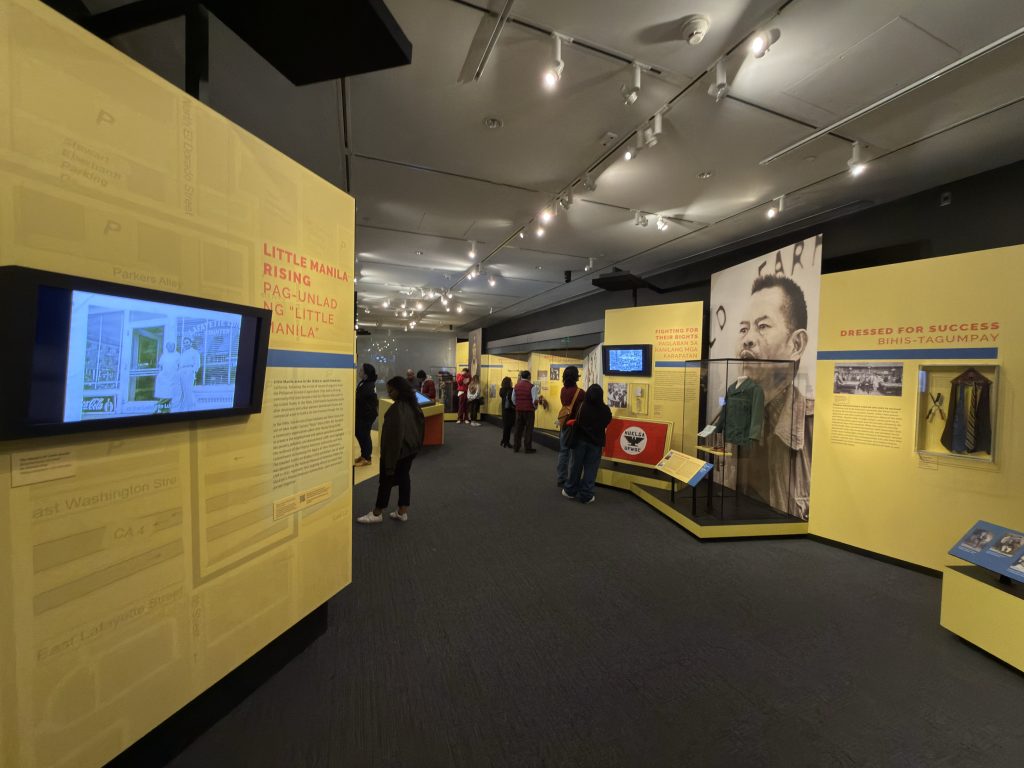
WASHINGTON, D.C. — Filipino American history has taken a prominent place in the national spotlight with the opening of “How Can You Forget Me: Filipino American Stories,” a new exhibition at the National Museum of American History. The exhibit highlights the migration experiences, cultural identity, and contributions of Filipino Americans through personal artifacts and historical narratives.
For many visitors, the exhibition represents long-awaited recognition of stories that have often existed only within families — preserved in photographs, letters, and memories passed down through generations.
Artifacts Discovered in Historic Steamer Trunks
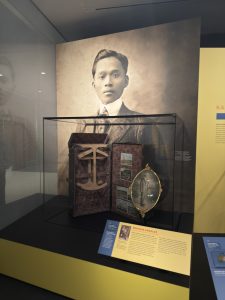
A central feature of the exhibition stems from the discovery of several steamer trunks in the basement of a building in Stockton, California’s historic Little Manila district. The trunks once belonged to early Filipino migrants, many of whom arrived in the United States in the early 20th century as farmworkers.
Inside were personal belongings including clothing, photographs, and correspondence — everyday objects that became lasting connections to home for migrants who crossed the Pacific seeking economic opportunity.
Historians say many items were intended to be reclaimed or sent back to families in the Philippines but were never retrieved, offering a poignant glimpse into lives shaped by migration, separation, and uncertainty.
Remembering Little Manila
The exhibit also explores the history of Little Manila in Stockton, once considered the largest Filipino community outside the Philippines. The neighborhood served as a cultural and social hub for Filipino laborers working in agriculture and canneries across California.
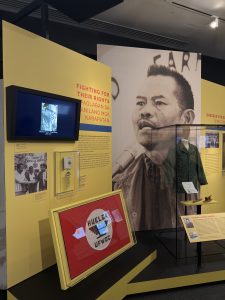
Despite facing discrimination and economic hardship, Filipino migrants built thriving community networks, establishing businesses, social organizations, and labor movements that contributed significantly to American labor history.
Curators emphasize that these communities were not only places of survival but centers of resilience and cultural preservation.
Meaning Behind the Title
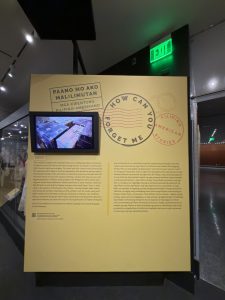
The exhibition’s title comes from an embroidered pillowcase bearing the phrase, “How can you forget me,” one of the artifacts displayed.
According to museum organizers, the phrase reflects themes of remembrance, longing, and identity experienced by generations of migrants separated from family and homeland. The message resonates with broader Filipino migration experiences, including overseas workers and diaspora communities worldwide.
Migration Stories That Resonate Today
Curators note that the exhibit connects historical migration with contemporary Filipino American life. Themes of family separation, remittances, and maintaining cultural ties across borders remain central to many Filipino families today.
By presenting personal stories alongside historical context, the exhibition aims to bridge past and present, illustrating how migration continues to shape Filipino American identity.
Filipino Americans in the National Narrative
The placement of the exhibit within the National Museum of American History marks a significant milestone. Advocates say it signals growing recognition of Filipino Americans as an integral part of the broader American story rather than a lesser-known chapter.
Museum officials describe the exhibition as an effort to expand public understanding of Asian American history through personal storytelling and community collaboration.
A Legacy Preserved
As visitors move through the exhibit, the question posed by its title lingers: how are migrant stories remembered across generations?
For many Filipino Americans, the exhibition serves as both recognition and remembrance — honoring the first generations who crossed oceans in search of opportunity and ensuring their experiences remain part of the historical record.
“How Can You Forget Me: Filipino American Stories” is now open to the public at the National Museum of American History in Washington, D.C until Nov. 28, 2027.